Start with ceiling height
Ceiling height decides what kind of light will work. In rooms with standard or low ceilings, flush and semi-flush fittings keep headroom clear. Higher ceilings can take pendants and chandeliers that drop into the room. As a rule, leave at least 2 metres between the floor and the bottom of any hanging light in a walkway, and more in hallways where people carry things.
Pendants, flush lights and spotlights
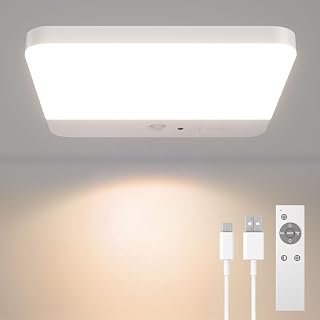
Pendants make a feature and suit living rooms, dining rooms and bedrooms with enough height. Flush lights give even light and suit landings, hallways and children's rooms. Spotlight bars and plates let you aim light at a worktop, a picture or a dark corner, and are a simple swap for a single central bulb in a kitchen.
Sizing the light
A simple guide for a central light is to add the room's length and width in metres and use that number in centimetres as the fitting's width. A 4 by 3 metre room suits a light of about 70 cm across. Over a table, aim for a pendant around half to two-thirds of the table width.
Choosing the bulb
Check the fitting type and maximum wattage. Warm white bulbs give a cosy feel, while cooler bulbs suit kitchens and workspaces. LED bulbs use less energy and stay cooler. If you want a dimmer, use dimmable bulbs and check your switch works with LEDs.
Installation
Most ceiling lights should be fitted by a qualified electrician. Check the weight of chandeliers and heavier fittings, as some need the ceiling rose fixing into a joist. Easy-fit lampshades are the exception, sliding over an existing pendant bulb holder with no wiring.